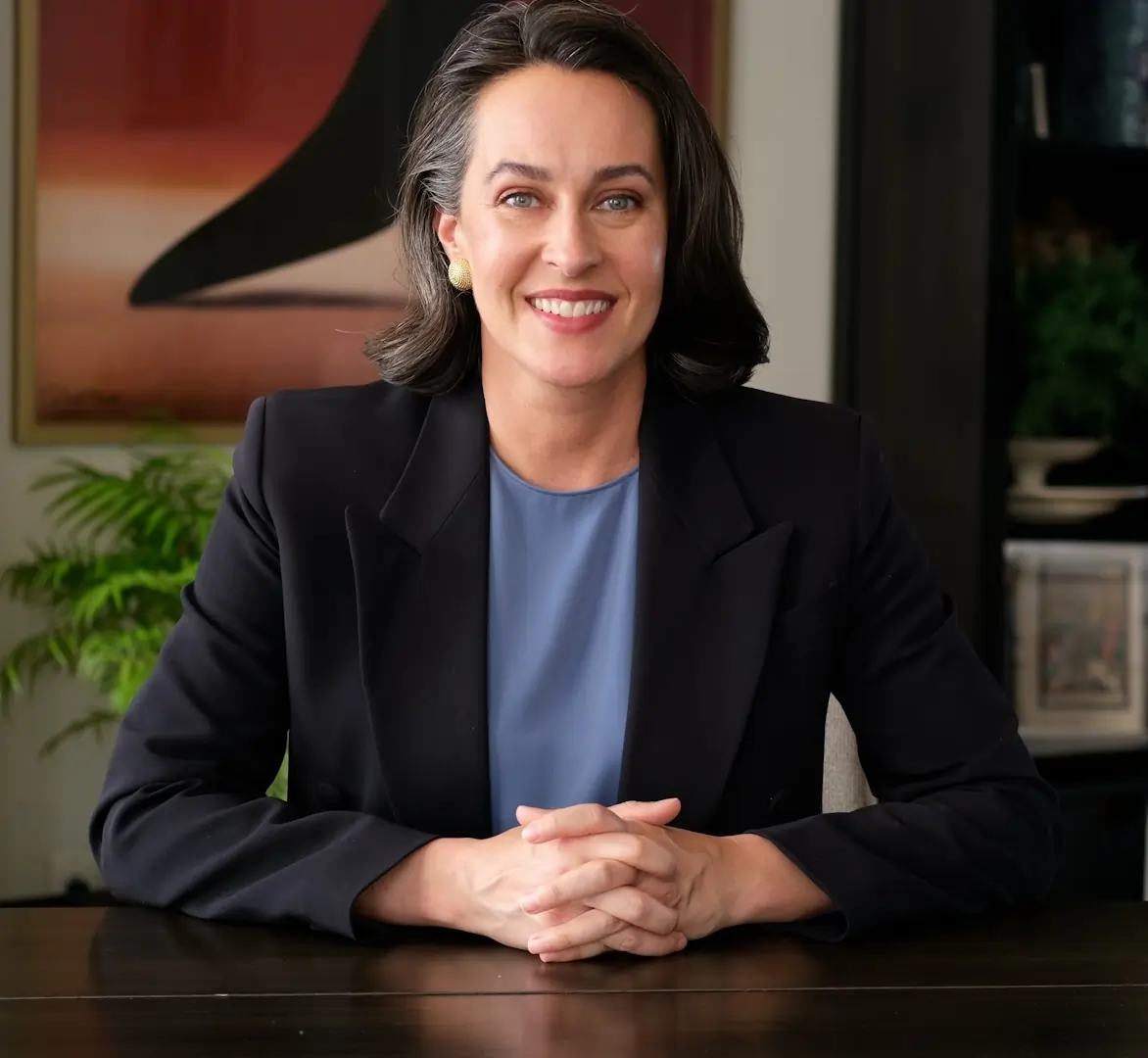

After years in hospital nursing, I was burned out, disillusioned, and certain there had to be a better way to help people heal. The 12-hour shifts, the assembly-line patient care, the focus on managing disease rather than creating health—it wasn't why I entered healthcare.
My transition to functional medicine changed everything. If you're a nurse (or any healthcare professional) feeling the same pull, here's what I learned about making the leap.
Why Nurses Make Excellent Functional Medicine Practitioners
Your nursing background isn't a limitation—it's a superpower. Here's what you bring:
Clinical Assessment Skills: You've been assessing patients for years. You know how to take comprehensive histories, recognize subtle patterns, and identify red flags that need referral. This clinical intuition doesn't disappear—it transfers.
Medical Knowledge Base: You understand anatomy, physiology, pathology, and pharmacology at a level many health coaches never achieve. You can read labs, understand diagnoses, and communicate with other providers. This foundation accelerates your functional medicine learning.
Patient Communication: Nurses excel at translating complex medical information into understandable terms and building therapeutic relationships. You've comforted frightened patients, explained procedures, and navigated difficult conversations. These skills are essential.
Systems Thinking: Hospital work teaches you to manage multiple variables simultaneously—medications, vital signs, test results, family dynamics. Functional medicine's systems-based approach will feel natural.
Credibility: Clients trust nurses. Your RN behind your name carries weight that takes non-clinical practitioners years to build.
The Transition Path
Step 1: Get Certified
Quality functional medicine certification provides:
- Theoretical foundations specific to functional medicine
- Clinical protocols for common conditions
- Business skills for private practice
- Professional credibility and recognized credentials
Look for programs with practical application, mentorship, and credentials recognized by employers and insurance panels. Avoid programs that are purely theoretical with no clinical training.
Step 2: Define Your Scope
As a nurse, you can do more than non-licensed coaches—but scope varies by state. Understand clearly:
- What you can assess and recommend independently
- When you need to refer to physicians
- How to collaborate with other providers
- Whether you can order labs in your state
Many nurse practitioners combine functional medicine with prescriptive authority for powerful practice models—using supplements AND medications as appropriate. If you're an RN without prescriptive authority, you'll focus on lifestyle, nutrition, and supplement recommendations while collaborating with physicians for medical management.
Step 3: Start Part-Time
Don't quit your nursing job immediately. Build your practice gradually:
- Take clients on evenings and weekends
- Test your niche and offers with real people
- Build financial reserves (6-12 months of expenses ideal)
- Gain confidence and collect testimonials
Many nurses maintain PRN (as-needed) shifts during the transition. This provides income stability while building the new business and keeps clinical skills current.
Step 4: Make the Leap
When your side practice consistently generates significant income and you have financial reserves, you can transition full-time. Signs you're ready:
- Consistent monthly revenue from private clients
- 6-12 months of expenses saved
- Waiting list or high inquiry volume
- Clear vision for practice growth
- Your nursing job feels like it's holding you back
Common Challenges (and How to Navigate Them)
Mindset Shifts
Moving from employee to entrepreneur requires rewiring:
- No more guaranteed paycheck — you eat what you kill, at least initially
- You control everything — schedule, pricing, marketing, everything (this is freedom AND responsibility)
- Marketing yourself feels uncomfortable — nurses are taught to be humble; promoting yourself feels "salesy"
- Imposter syndrome is real — "Who am I to do this?"
Solution: Join communities of other transitioning healthcare professionals. You're not alone, and sharing the journey makes it easier.
Financial Reality
Initial income often decreases before it increases. Plan for:
- Certification program costs ($3,000-10,000+)
- Business setup expenses (LLC, software, insurance)
- Marketing investment (website, materials, ads)
- Income gap during the building phase
Being financially prepared reduces panic-based decisions and allows you to build sustainably.
Professional Identity
You might face skepticism from medical colleagues. Your identity may feel uncertain—are you still a "real" nurse?
Remember:
- You're expanding, not abandoning, your healing mission
- Different models of care can coexist
- Your patients' outcomes will speak for themselves
- You don't need everyone's approval to do meaningful work
Success Stories: Nurses in Functional Medicine
Nurses bring unique value to functional medicine. Their specific backgrounds create natural niches:
- The ER nurse who now specializes in stress management and burnout recovery
- The oncology nurse helping cancer survivors restore health post-treatment
- The NICU nurse supporting families with children's digestive and developmental issues
- The OR nurse using her attention to detail for complex case management
- The psychiatric nurse addressing mood disorders through gut-brain connections
- The geriatric nurse helping seniors optimize healthspan and cognitive function
Your nursing specialty informs your functional medicine niche. Use it.
The Rewards
When clients achieve results that conventional medicine couldn't deliver... when you have time and energy for your own family... when you're excited about work again... when you can go deep with patients instead of rushing through 15-minute visits... you'll know the transition was worth it.
Healthcare needs practitioners who bridge conventional and functional approaches. Your nursing background uniquely positions you for this vital role. The system is changing—and you can be part of leading that change.
The patients you'll help are waiting. They need someone who understands both worlds—who can read their labs AND address root causes, who speaks "medical" AND "wellness," who has clinical credibility AND a holistic perspective.
That someone could be you.


